Metallurgical Abstracts on Light Metals and Alloys vol. 58

INDEX

7

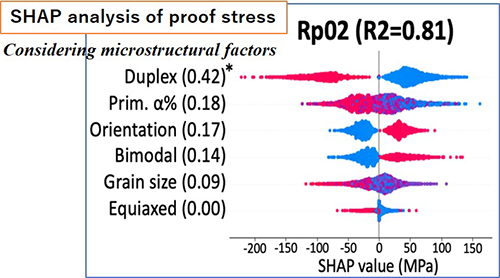
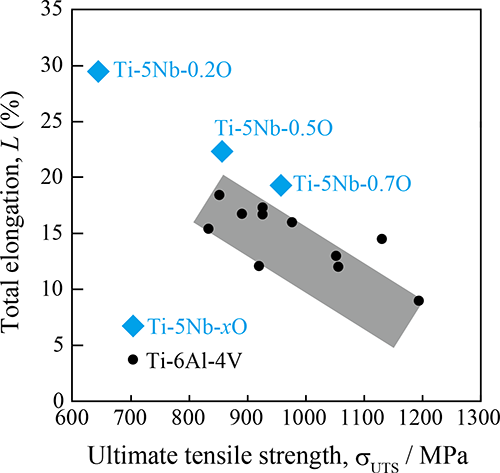
The influence of microstructural factors on the tensile properties (strength, ductility, and work hardening property) of Ti-6242S alloy quantitatively evaluated using machine learning and SHAP analysis.

8

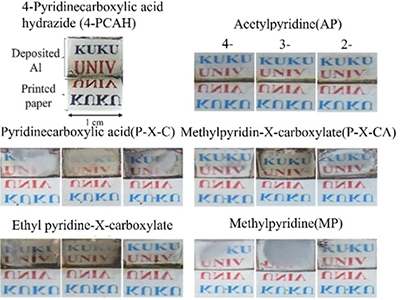
Typical micrographs of the Al film surfaces obtained on a Cu substrate by coulometric electrodeposition in AlCl3-EMIC-toluene baths containing various additives.

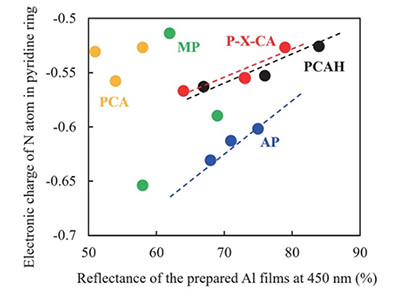
Electron density of N atom in pyridine ring of additives examined in the electrodeposition of Al films vs. reflectance of the deposited Al film at 450 nm.

9

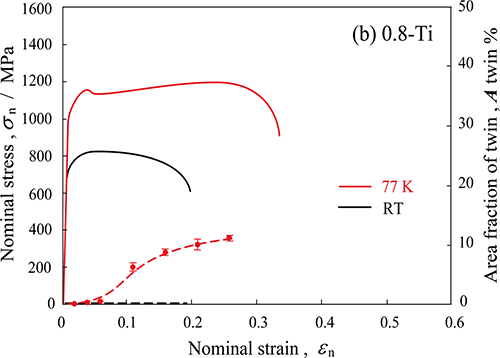
Stress–strain curves and area fraction of deformation twins of CP-Ti with a grain diameter of 0.8 µm. Twin fraction markedly increased as temperature decreased, which significantly enhanced elongation due to TWIP effect.

15

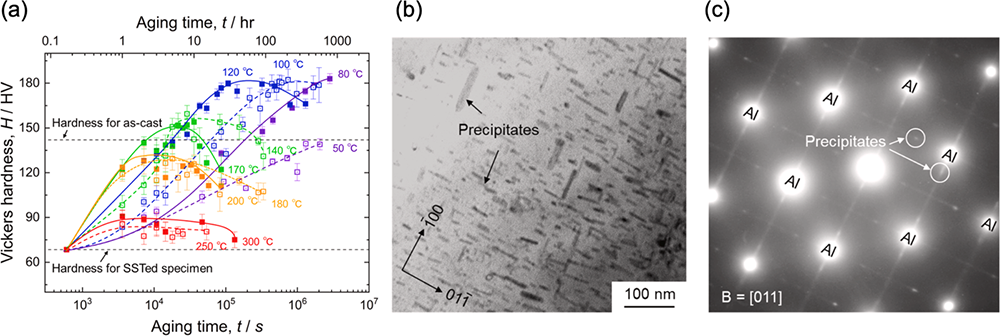
(a) Hardness evolution of the Al-Mg-Ga-In-Sn alloy through aging treatments at various temperatures ranging from 50°C to 300°C following solid-solution treatment (SST) at 500°C for 3 hr. The upper and lower horizontal dashed lines indicate the average Vickers hardness values of the as-cast and SSTed specimens, respectively. (b) TEM microstructure and (c) corresponding selected area diffraction (SAD) pattern of the Al matrix in the as-cast specimen, observed from [011] Al direction. In the SAD pattern, Al-corresponding spots were indexed, and precipitate-corresponding spots were indicated with circles.

38

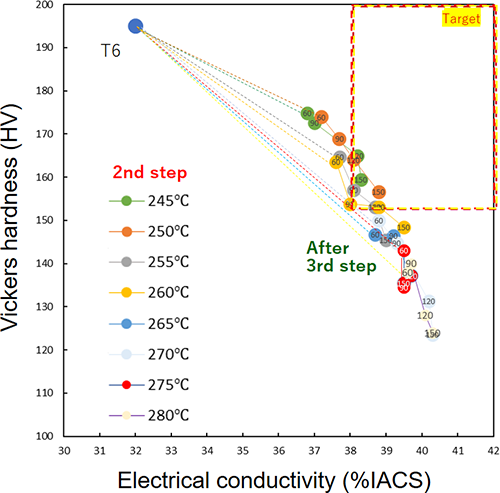
Vickers hardness and electrical conductivity of T6-tempered A7075 alloy sheets after rapid heating to various temperatures and re-aging at 170°C for 1.2 ks. The numbers within plots indicate holding times in second at a given rapid heating temperature.
62

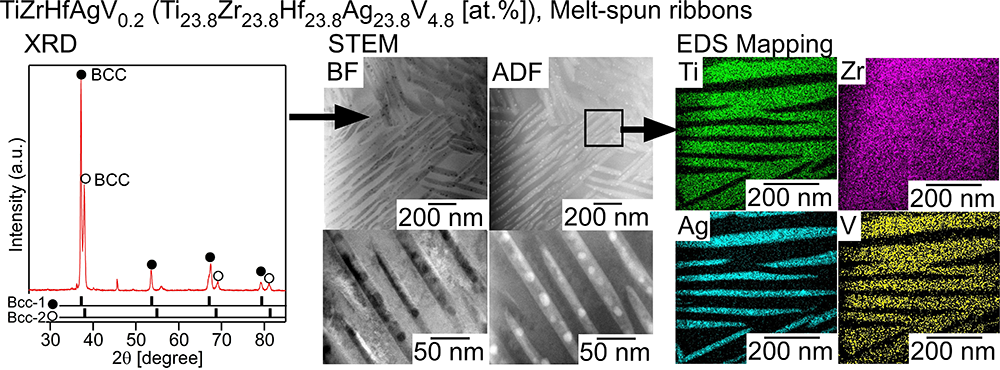
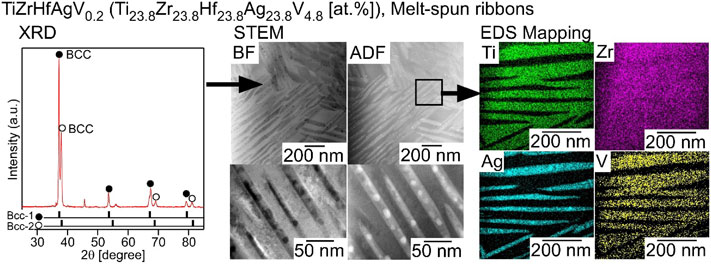
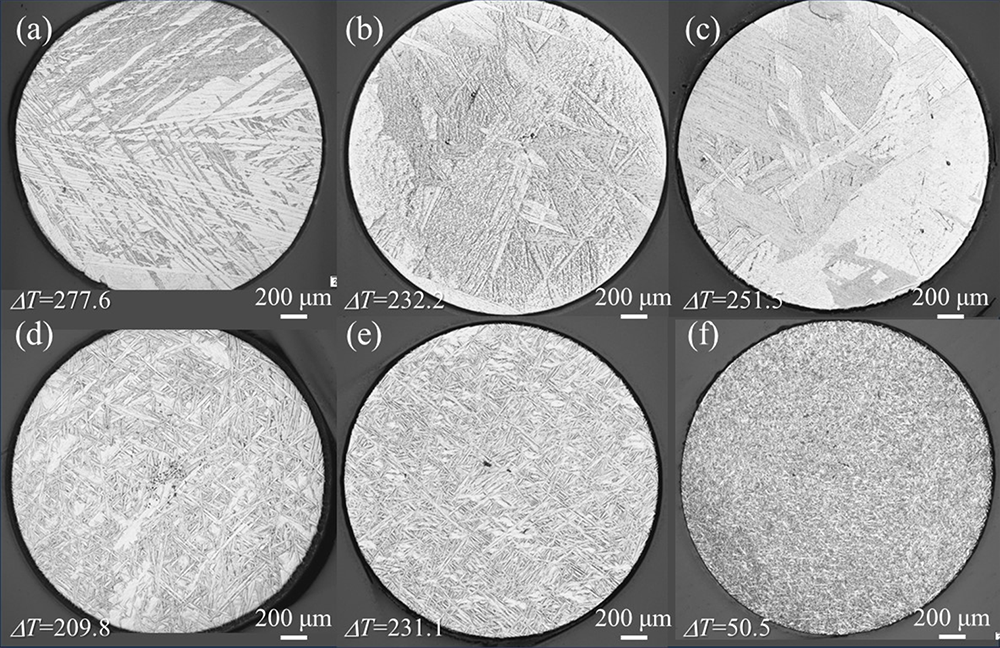
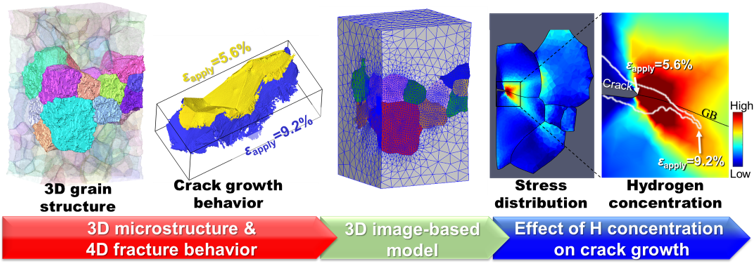
TiZrHfAgV0.2 HEA was designed based on the concept of immiscibility of the constituent elements by using mixing enthalpy, binary phase diagrams with stable and meta-stable liquid miscibility gap, and the thermodynamic calculations. This graphical abstract shows the phase constitution and Solidification microstructure of the rapidly-solidified melt-spun ribbons in the TiZrHfAgV0.2 HEA.
66

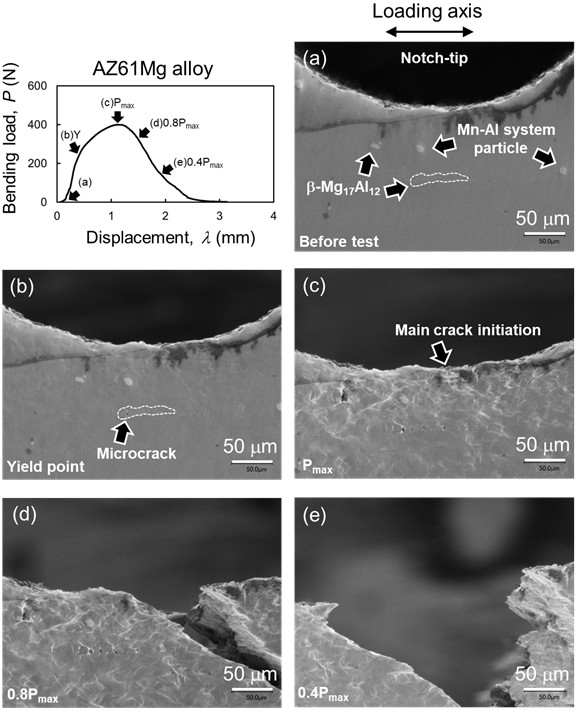
Strength Analysis of Coarse Inclusion Particle in Wrought Magnesium Alloy

A. Takahashi

[Published in International Journal of Innovations in Engineering and Technology, Vol. 28(2025), Issue 1, pp. 1-6]

https://ijiet.com/wp-content/uploads/2025/07/1.pdf

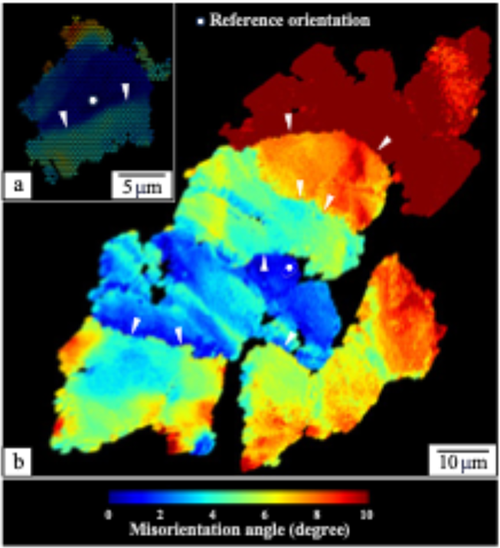
This shows sequential micrographs of microstructural damage and fractured inclusion behavior near the notch-tip in Mg alloy, with loading axis (horizontal). These graphs correspond to the loading points: (a) before the test and at (b) the Y, (c) Pmax, (d) 0.8Pmax, and (e) 0.4Pmax points.

71

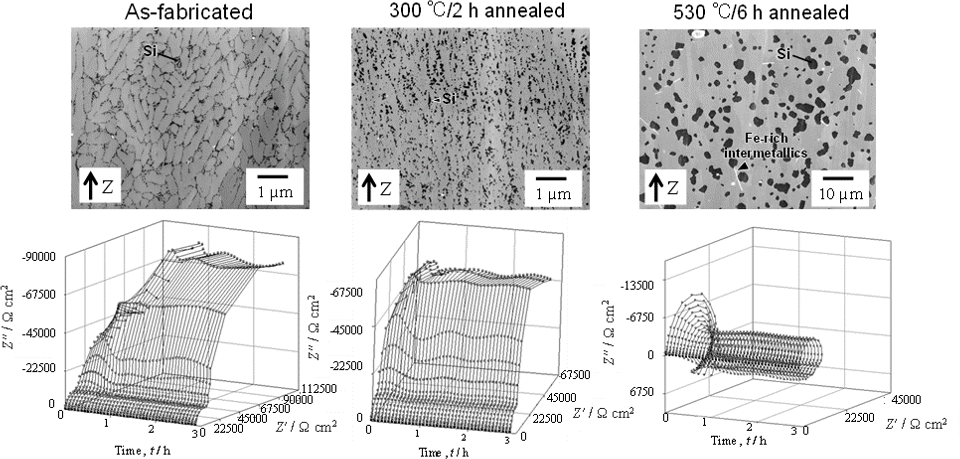
Above figures show relationship between microstructures and 3D complex impedance plots of Al-Si alloys additively manufactured by laser powder bed fusion. The annealed samples were used for the impedance measurements to investigate the effect of the microstructures on the corrosion behaviours.

82

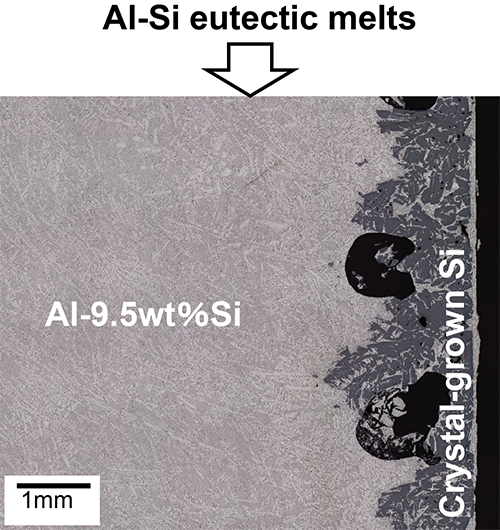
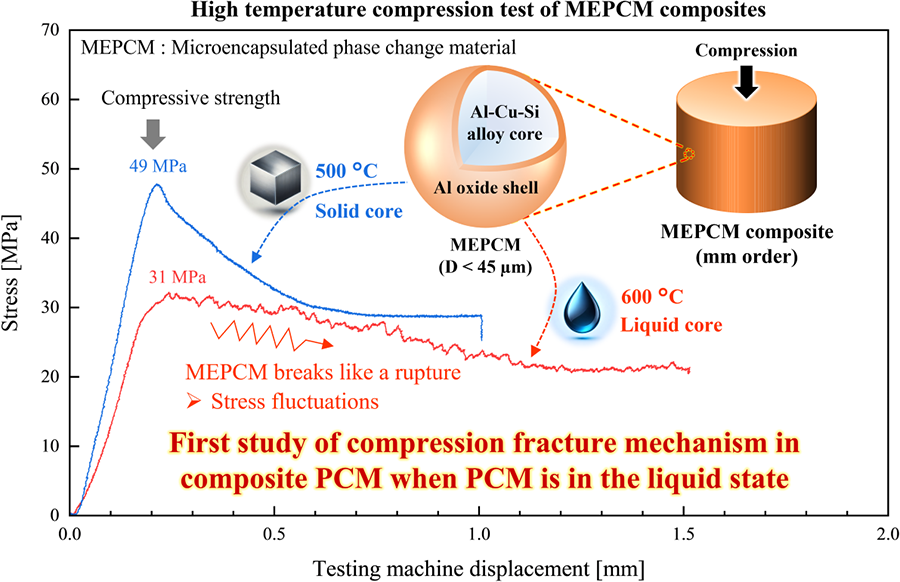
A latent heat thermal energy storage composite with an Al–Cu–Si alloy-based microencapsulated phase change material has been developed. This composite exhibits a high compressive strength of 32 MPa, even when the internal alloy is in a liquid state.